


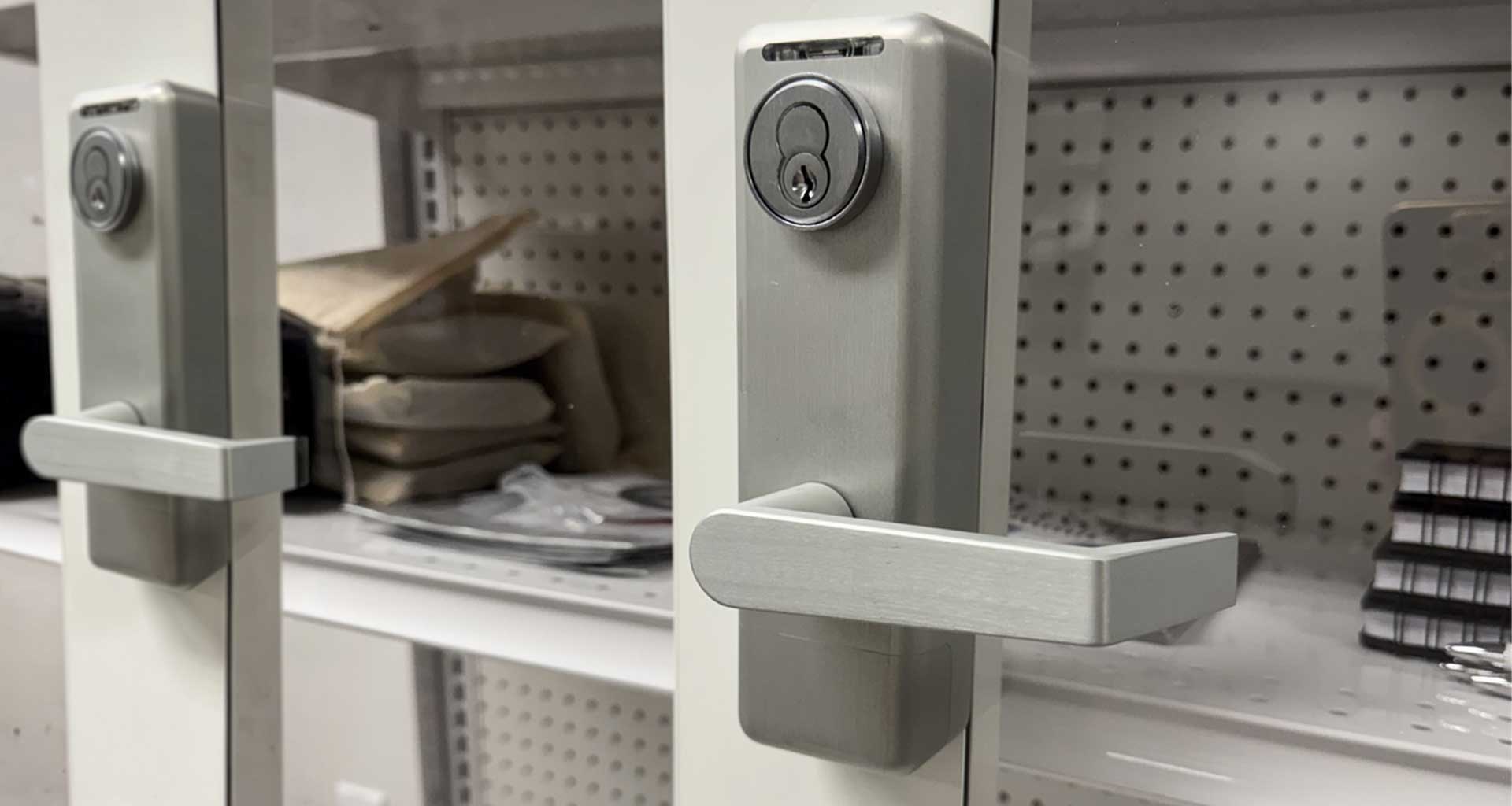
Retailers face a persistent challenge to protect high-value merchandise without sacrificing the customer experience or slowing store operations. Traditional locked cabinets can reduce theft, but they often create friction for both customers and employees.
Digital locking systems, combined with artificial intelligence, are changing how businesses operate. By capturing detailed access data and analyzing patterns across locations, retailers can strengthen loss prevention while improving operational efficiency.
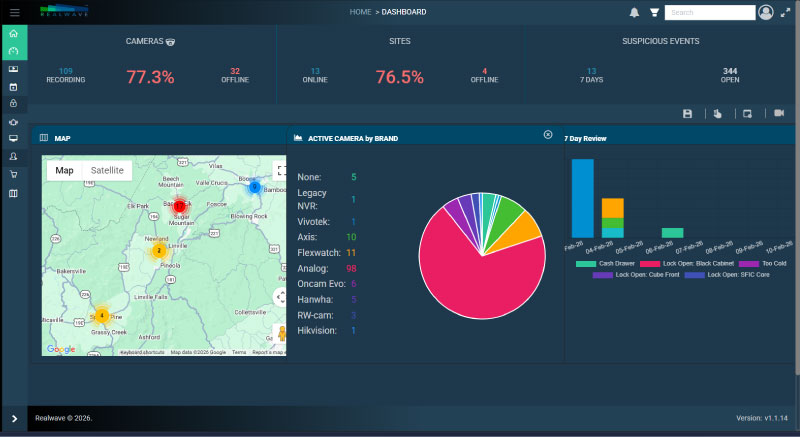
Every time a digital lock is opened, it generates a data record. That data includes who accessed the cabinet, when it was opened, and how long it remained open.
According to Jimmy Hinshaw, Director of Digital Intelligence at Bailiwick, the data generated by these interactions become valuable when analyzed at scale. “Every time a digital lock is opened, the system records who accessed it, when it was opened, and how long the cabinet remained open,” Hinshaw explains. “When that data is aggregated across locations, it provides a powerful foundation for operational insight and loss prevention.”
AI can then analyze these access patterns to identify unusual activity, such as:
- Access outside normal operating hours
- Repeated access attempts by the same user
- Cabinets opened more frequently than typical sales patterns suggest
- Access activity that does not align with employee job roles
By flagging anomalies in real time, retailers can investigate potential issues before losses occur.
Improving Merchandising and Inventory Decisions
Beyond security, digital lock data provides valuable insight into customer behavior and product demand. Retailers can track which cabinets are opened most frequently and identify the products customers are buying. When digital locks are connected to customer-facing tools such as loyalty apps, retailers can also gain insight into shopper preferences.
Hinshaw notes that these insights help retailers make smarter inventory and merchandising decisions. “Retailers gain real-time visibility into which products customers are accessing,” says Hinshaw. “That insight helps them understand buying behavior and focus their inventory investment on items that are actually moving.”
In other words, digital locks do more than prevent theft, they generate operational intelligence that supports better business decisions.
Strengthening Loss Prevention While Maintaining Customer Access
Retailers often struggle to balance merchandise security with customer convenience. Locked cabinets can protect products, but they may also create delays when staff must assist customers. Digital locks solve this problem by enabling controlled self-service access for authorized users while maintaining full accountability.
Hinshaw explains that retailers typically see return on investment from digital locks in three key ways:
Reduced shrink by securing high-value merchandise
Accountability through detailed records of who accessed products and when
Better inventory decisions driven by real-time product interaction data
Digital locks can also strengthen customer satisfaction since third-party partners such as Uber Eats, Door Dash or Instacart can be given “virtual keys.” This helps to track their movements and helps to ensure that they have access to products when needed.
Exceptional Technology Deployment.
Find out why companies trust Bailiwick for deployment of their large-scale digital technology initiatives.
Designed for Large-Scale Retail Environments
For retailers operating across hundreds or thousands of locations, scalability is essential. Digital lock systems must be able to expand quickly while remaining easy to manage.
Hinshaw notes that scalability is a core design principle. “Retailers need solutions that scale across the enterprise,” he says. “Smaller retailers need strong protection because they have less ability to absorb losses, while large retailers require systems that can operate consistently across hundreds or thousands of locations.”
Cloud-based software architecture makes this possible. Digital lock platforms can operate within major cloud environments or integrate directly with a retailer’s existing cloud infrastructure.
Integration with Existing Loss Prevention Systems
Technology deployments rarely happen in isolation. Most retailers already have established loss prevention tools such as video management systems, analytics platforms, and business intelligence dashboards.
Digital lock systems can integrate directly with these technologies. “Integration is critical,” Hinshaw explains. “Digital lock platforms should work within the retailer’s existing loss prevention ecosystem. The software allows access data to relate to video systems and business intelligence platforms so retailers can gain a more complete picture of store activity.”
Operational Efficiency for Store Teams
In addition to improving security and analytics, digital locks can make life easier for store associates. Instead of managing physical keys or waiting for managers to unlock cabinets, authorized employees can access products quickly through secure digital credentials. Routine maintenance is also minimal.
Hinshaw notes that most systems require only periodic battery replacement. “Maintenance requirements are straightforward,” he says. “In most cases, batteries are replaced every six months to a year, which keeps the system reliable without adding operational burden.”
Hinshaw stresses that customization is often necessary to meet different operational requirements. “There’s no single solution that works for every retailer,” he says. “The key is designing a system that fits the customer’s environment while still providing the scalability and data visibility needed across the organization.”
A Smarter Future for Retail Security
As AI continues to evolve, the combination of AI analytics and digital locking systems will play an increasingly important role in retail loss prevention. By transforming simple access events into actionable intelligence, retailers gain the ability to detect risk earlier, optimize inventory decisions, and improve customer experience while protecting their most valuable merchandise.
In an industry where margins are tight and shrink continues to rise, smarter access control may be one of the most powerful tools retailers can deploy.