


Retail technology is evolving at a remarkable pace. While five years ago artificial intelligence (AI) barely registered on retailers’ radar, the National Retail Federation (NRF) estimates that retailers will double their spending on AI by 2028.
Many of these changes are driven by evolving consumer expectations and rising concerns around loss prevention. While technologies such as artificial intelligence (AI), radio-frequency identification (RFID), smart security systems, and mobile applications have been around for years, retailers are increasingly finding ways to connect these tools into unified systems that improve both customer experience and store operations.
According to Nick Santilli, Director of Sales at Bailiwick, an ePlus Technology, inc. Company, one of the most significant trends in retail today is the continued growth of loyalty applications. “Loyalty apps have become a powerful tool for retailers because they create opportunities to better understand customer behavior and preferences,” said Santilli. “The value of retail data continues to grow, and loyalty platforms provide meaningful insights into purchasing habits.”
Retailers are no longer viewing loyalty apps solely as marketing tools. Instead, these platforms have become central hubs for customer interaction, offering personalized promotions and valuable analytics. As consumers increasingly expect seamless digital experiences, retailers are investing in technologies that connect mobile applications with other systems throughout the store.
Inventory Management is a Key
One area generating significant interest is the integration of loyalty programs with inventory management technologies such as RFID.
“We’re beginning to see technologies like RFID and loyalty platforms work together in ways that create new opportunities for retailers. As these systems become more connected, there is tremendous potential to generate richer data insights and improve both inventory visibility and the customer experience.”
In some cases, stores can tie their loyalty apps into security systems such as Bailiwick’s digital locks. Trusted, loyal customers can have the ability to use their apps to unlock secure merchandise to provide a better customer experience.
This convergence of technologies reflects a broader trend in retail: creating connected environments where information flows seamlessly between systems. Retailers that effectively integrate data from multiple sources can make more informed decisions about such things as inventory management and in-store staffing.
Exceptional Technology Deployment.
Find out why companies trust Bailiwick for deployment of their large-scale digital technology initiatives.
Eliminating Customer Friction
Retailers remain focused on eliminating friction from the customer experience. Consumers expect convenience, speed, and self-service options, whether they are shopping online or in-store.
“The industry is moving toward any solution that helps remove friction from the customer journey,” said Santilli. “Whether through loyalty applications, self-service or innovative access-control solutions, retailers are looking for ways to make the buying experience more convenient.”
This trend has fueled the adoption of self-checkout systems, mobile payment options, curbside pickup services, and digital access technologies. Retailers are recognizing that every unnecessary step in the purchase process creates an opportunity for customer frustration. As a result, technologies that increase convenience continue to receive investment.
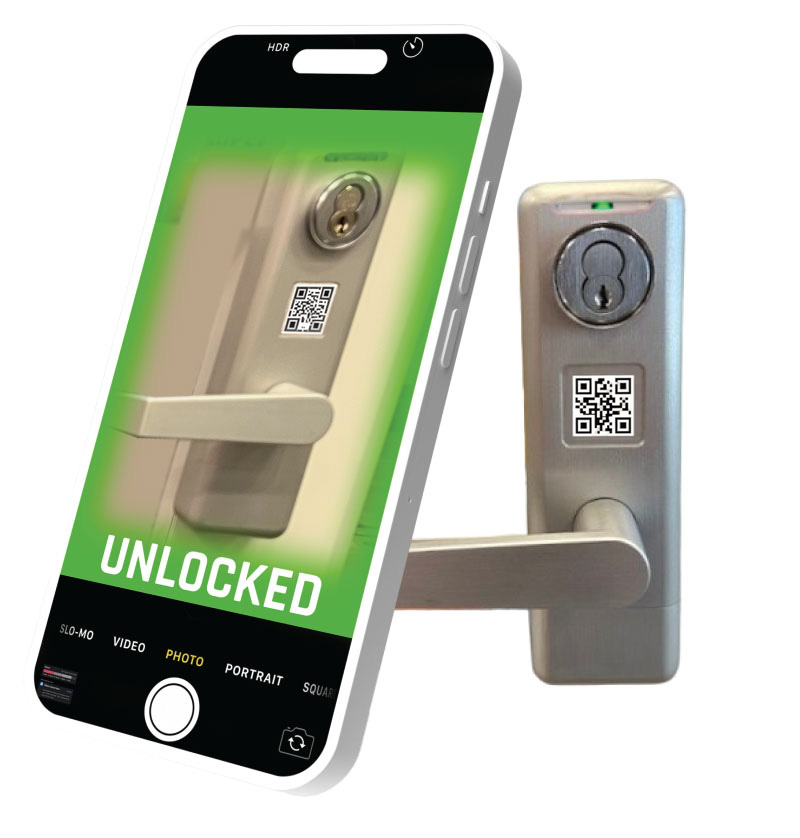
With digital smart locks any Bluetooth enabled and authorized device can be used as a key.
Loss Prevention is Crucial
While improving customer experience remains a top priority, security and loss prevention have become equally important drivers of retail technology adoption. Retailers face growing challenges related to shrink, organized retail crime, and internal theft. The NRF states that retail theft in 2023 (the most recent data) accounted for $112.1 billion in losses in the US.
“Loss prevention remains a critical business priority,” said Santilli. “Retailers are looking for every possible advantage to reduce shrink and protect profitability while maintaining a positive customer experience.”
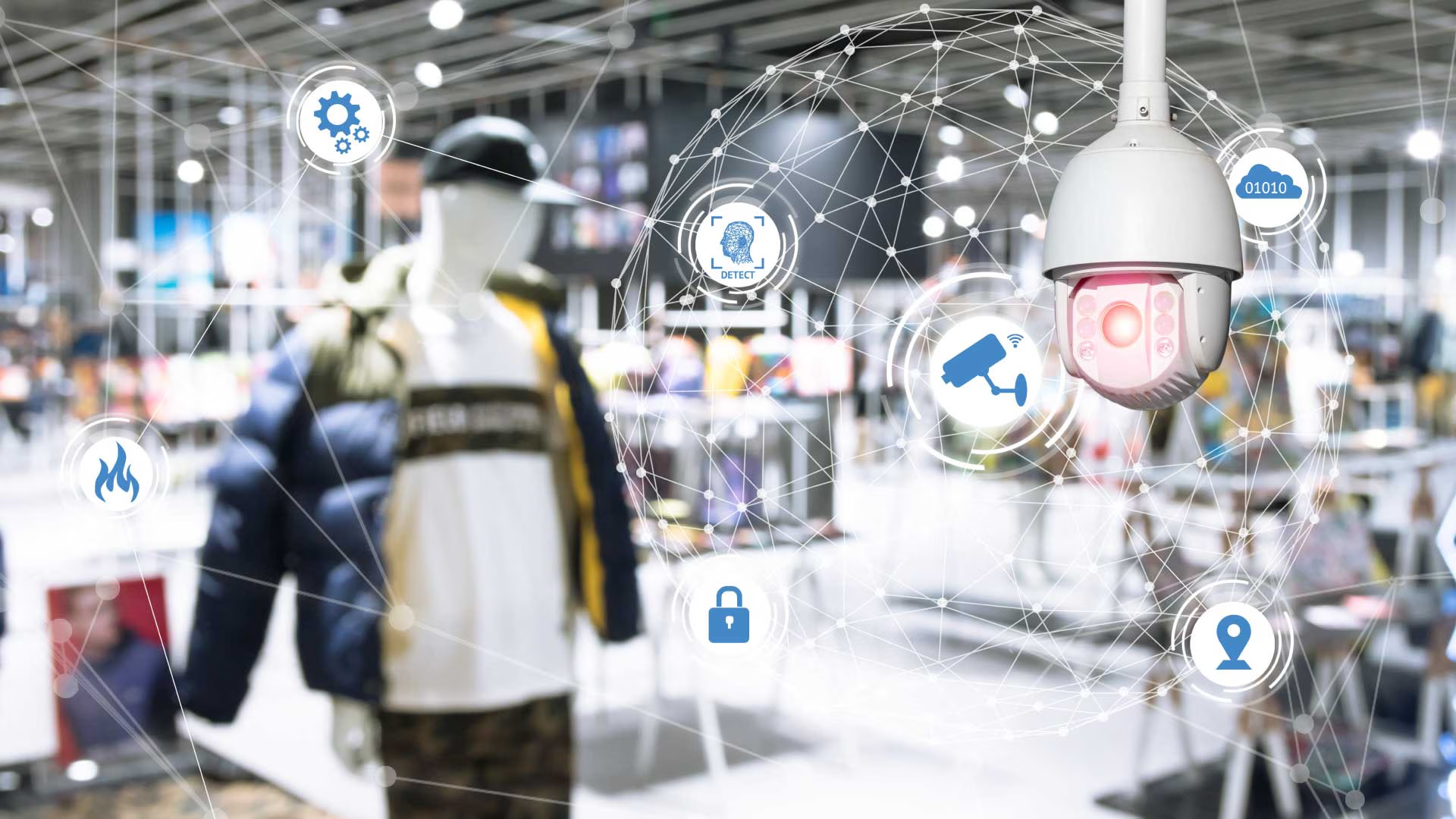
This need for stronger protection has accelerated investment in sophisticated security technologies. Modern security systems do far more than simply record video footage. Advances in AI have enabled retailers to analyze activity in real time, identify unusual behavior patterns, and generate alerts before incidents escalate.
Santilli notes that AI-powered video analytics are creating new possibilities. “Security cameras combined with AI are becoming increasingly powerful tools. They can support loss-prevention efforts while also helping retailers gain operational insights that improve the overall customer experience.”
The rise of AI also raises important questions about infrastructure readiness. Many retailers have accumulated enormous volumes of data but have not fully leveraged it.
“Organizations often possess significant amounts of operational data but fail to fully capitalize on it,” according to Santilli. “The real opportunity is not simply collecting information, but in analyzing that data and using it to drive meaningful outcomes.”
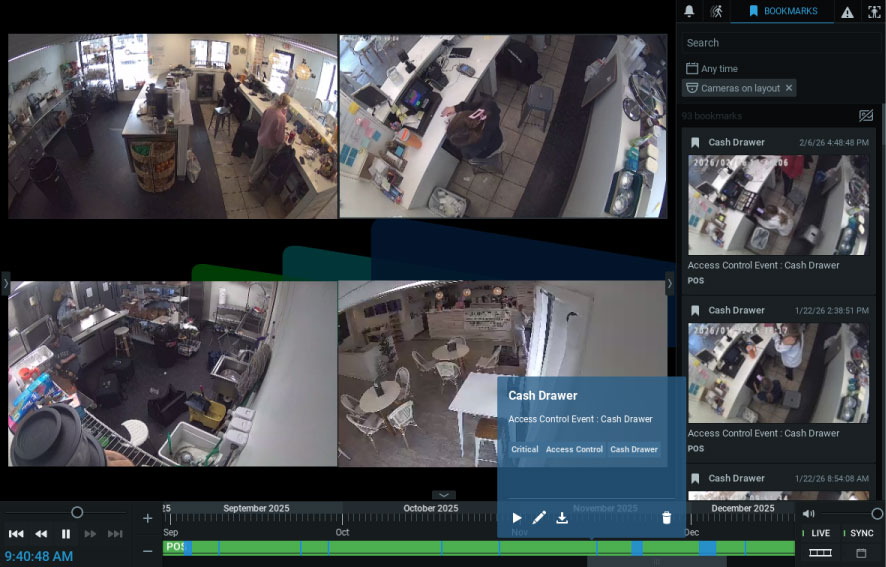
Retailers are increasingly recognizing that cameras, sensors, and other connected devices represent far more than standalone systems. When combined through intelligent workflow platforms, these technologies can automate routine tasks, trigger alerts, generate reports, and provide real-time operational visibility.
The retail environment contains a vast amount of untapped data. Businesses that can transform those data streams into actionable workflows will be much better positioned to improve efficiency, security, and customer service.
Another important trend is scalability. While technology deployments may vary based on store size, the fundamental goals remain remarkably consistent across the retail sector.
“Whether it’s a large warehouse-format retailer or a smaller store footprint, the foundational technologies are often the same,” said Santilli. “The difference is typically the scale and sophistication of how those systems are deployed and managed.”
For retailers looking ahead, the message is clear: the future belongs to organizations that can remove friction, leverage data intelligently, and create secure, seamless shopping experiences for every customer. Working with an experienced partner like Bailiwick will help retailers realize the full benefit of their technology investments.