
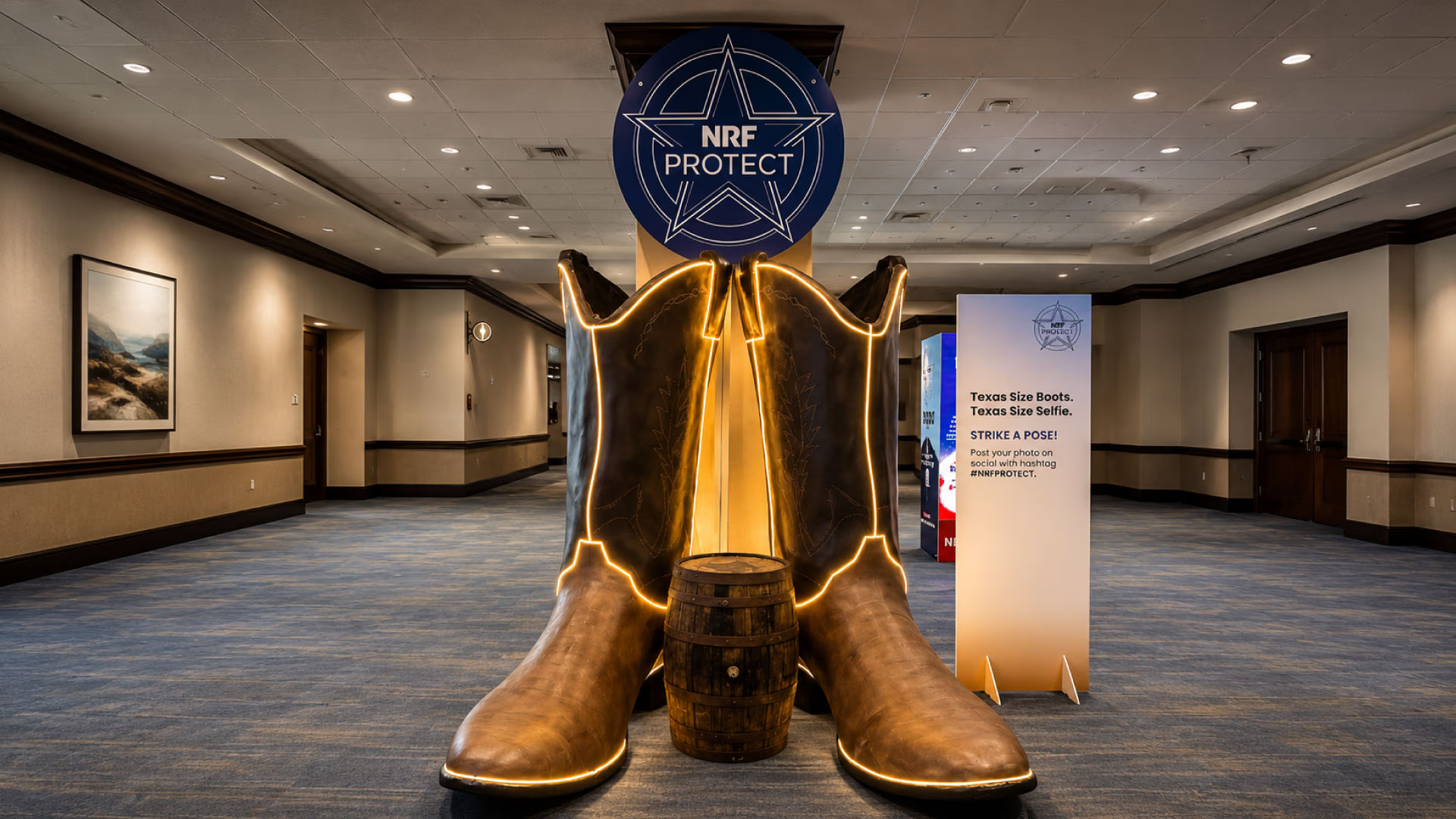
Attending NRF Protect 2026 in Grapevine, Texas, was a valuable opportunity to connect with retail security and loss prevention professionals, explore emerging technologies, and discuss the challenges retailers continue to face in protecting assets while improving operations.
One of the things I appreciate most about NRF Protect is that it starts with relationship-building. Before the expo hall even opened, opportunities were created for meaningful conversations among retailers, solution providers, and industry experts. Those discussions often provide as much value as the technology showcased on the show floor. In an industry where many solutions appear similar on the surface, strong partnerships and trusted expertise often make the difference.
Focus Continues on Artificial Intelligence
As expected, artificial intelligence remained one of the dominant themes throughout the conference. What stood out this year was the shift from AI as a buzzword to AI as a practical business tool. Retailers are increasingly looking beyond the hype and focusing on real-world applications that can help them make sense of the massive amounts of data generated across their organizations.
For years, retailers have collected data from cameras, point-of-sale systems, and other technologies. The challenge has always been turning that information into actionable insights. Today, AI is helping bridge that gap by analyzing large data sets, identifying patterns, and connecting information from multiple sources. The result is a more complete view of operations, customer behavior, and potential loss events. This evolution is moving loss prevention from a reactive function to a more proactive and strategic role within the organization.
Exceptional Technology Deployment.
Find out why companies trust Bailiwick for deployment of their large-scale digital technology initiatives.
Digital Locks at the Forefront
Another topic that generated significant interest was digital locking technology. Conversations with retailers reinforced what we have been seeing across the industry: organizations are actively looking for smarter ways to secure high-value merchandise, sensitive inventory, and restricted access areas.
It was encouraging to see how retailers are beginning to view digital locks from an enterprise perspective. Rather than simply replacing traditional locks and keys, they are evaluating how digital locks can support compliance requirements, improve accountability, and provide detailed audit trails showing who accessed specific assets and when.
Many retailers have experimented with digital locking solutions in the past, but not all experiences have been positive. Historically, many solutions were developed by traditional hardware manufacturers whose primary expertise was locks rather than software. Today, organizations are placing greater importance on the software platform behind the lock. They want solutions that are easy to manage, scalable across hundreds or thousands of locations, and capable of integrating with existing systems.
That shift aligns closely with the conversations I had throughout the conference. Retailers are looking for solutions that can work across departments, bringing together loss prevention, operations, IT, and compliance teams. As security technologies become more connected, successful implementations increasingly require collaboration across multiple business functions.
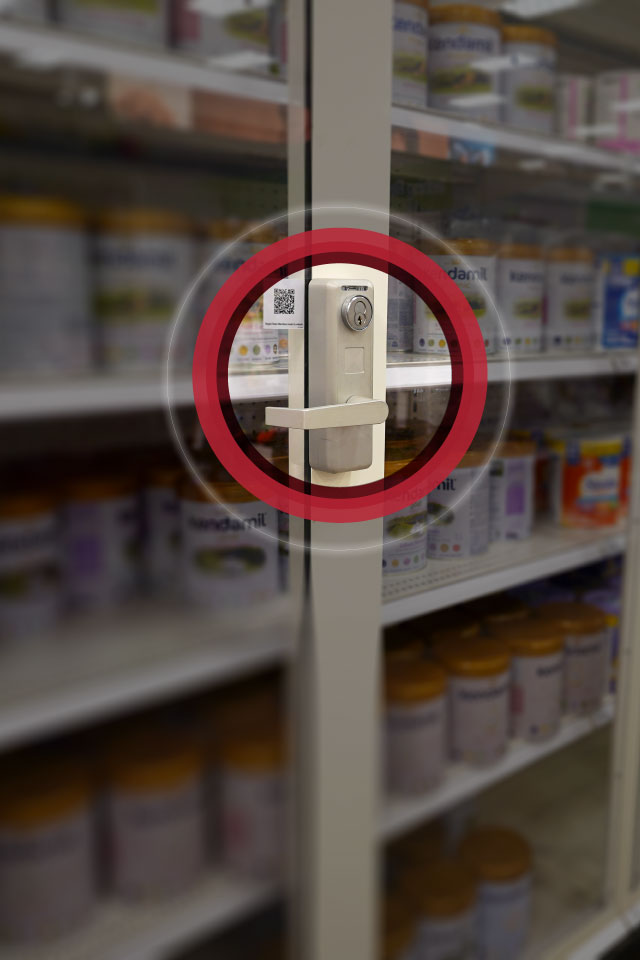
Digital Locks help secure product while also remove friction caused by physical keys.
Interactions with Clients
Perhaps the most rewarding part of NRF Protect was the opportunity to spend time with both existing and prospective customers. Those conversations provided valuable insight into the challenges retailers are facing and the priorities shaping their technology investments. It was also encouraging to see the level of enthusiasm surrounding digital locking solutions and the recognition that modern access control can play a meaningful role in reducing shrink, improving accountability, and supporting operational efficiency.
As I reflect on NRF Protect 2026, one thing was clear: the future of retail security will be driven by intelligent technologies, stronger integration, and closer collaboration across the enterprise. AI and digital locks are no longer emerging concepts; they are becoming essential components of a modern loss prevention strategy.